
Cochineal
They sailed by the ton
in the dim hulls of masted boats
whose cracks wet
rather than lit
the shells, the thoraxes.
If life lingered in the crush,
she who held it likely did not remember
her cactus, its pad drilled
by the white spume she’d spun,
Nopale not a word known to beetles,
who tend to speak in hums.
Nor could she predict
that she’d soon be a marker of
most high, cloaking
a cardinal–no matter that his sect forswore
the insides of female kind,
nor how she’d make him glow
more brightly than the eye
of best mother,
with her swallowed west,
with that sun that, like the dye, set in her.
****************************************
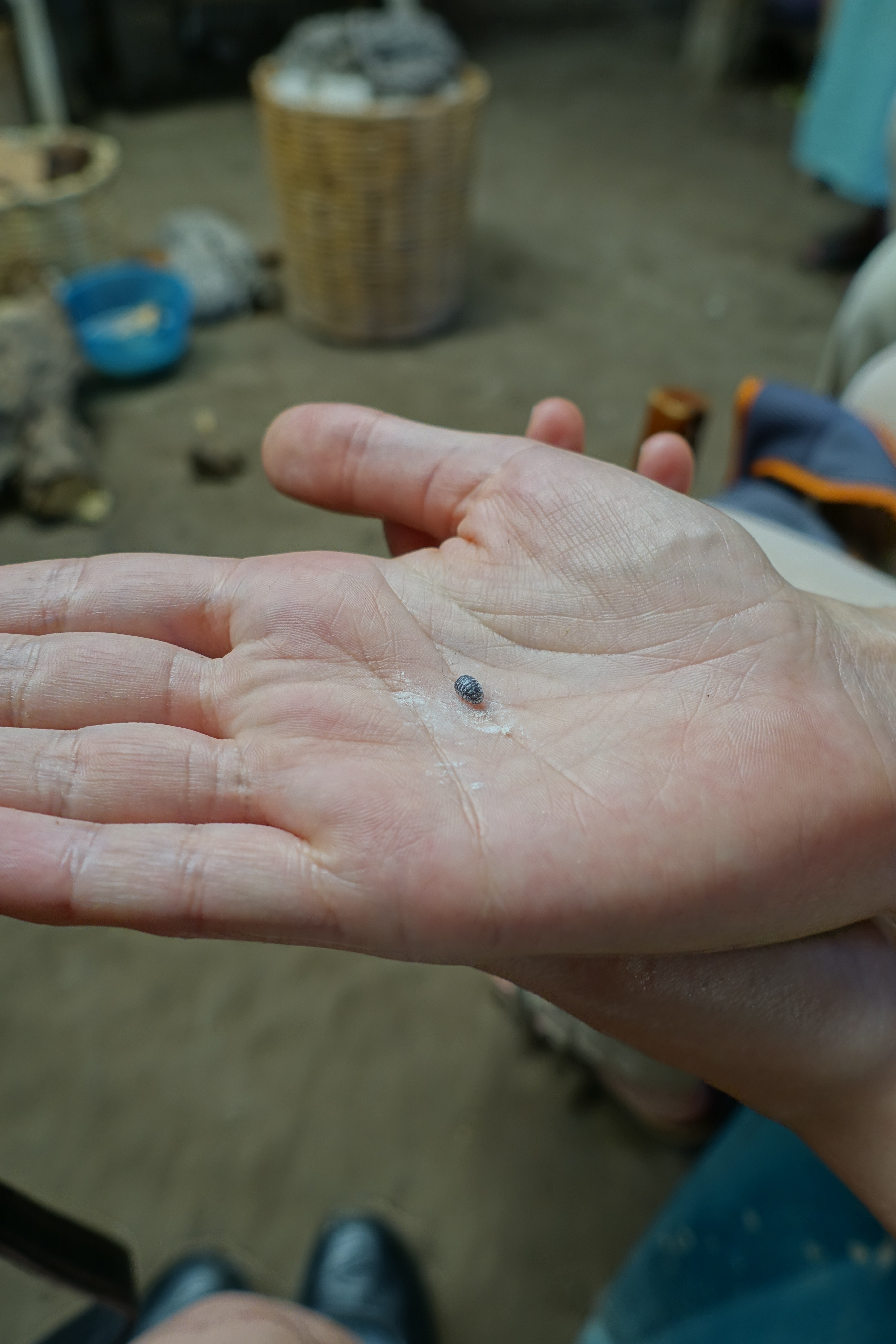
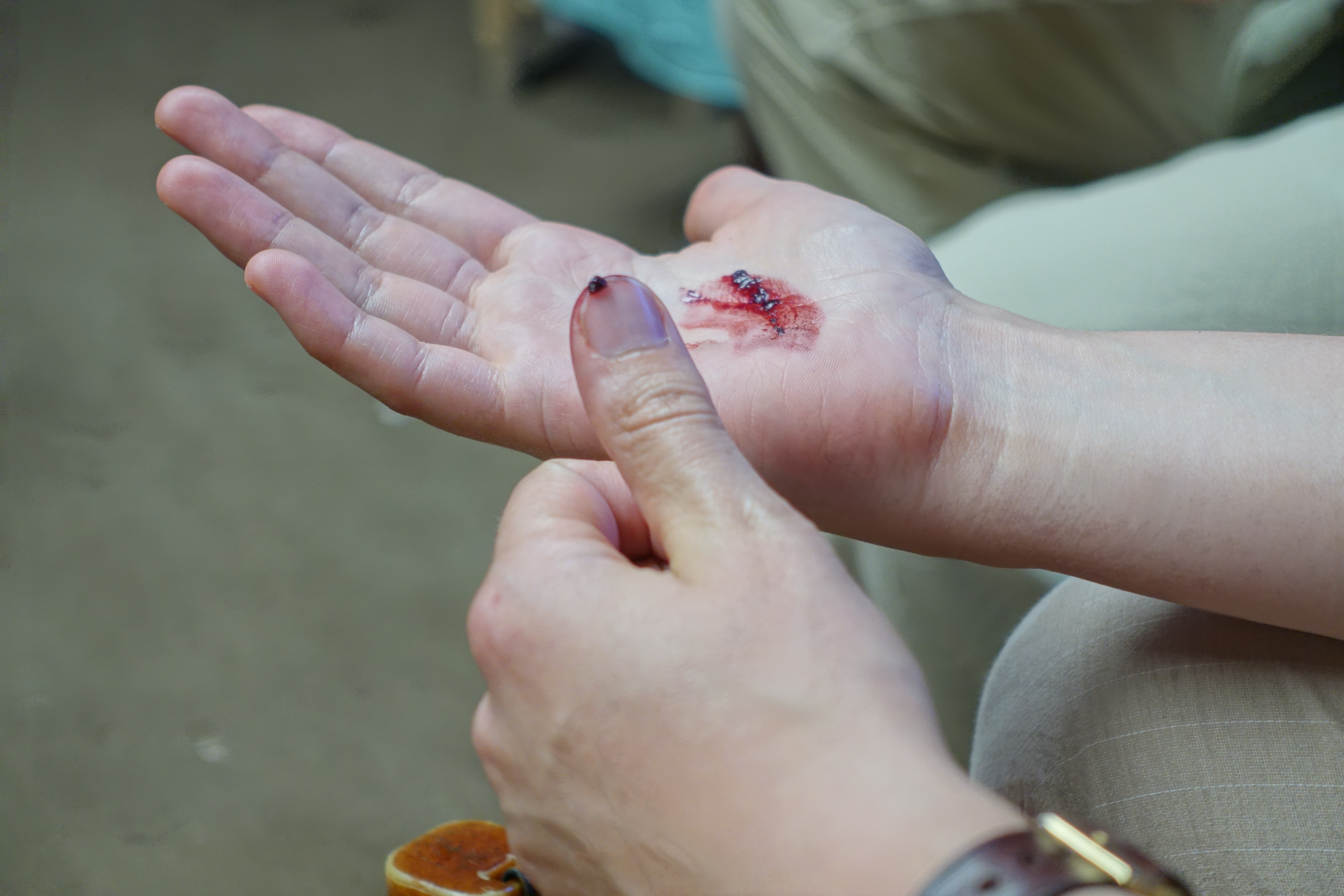
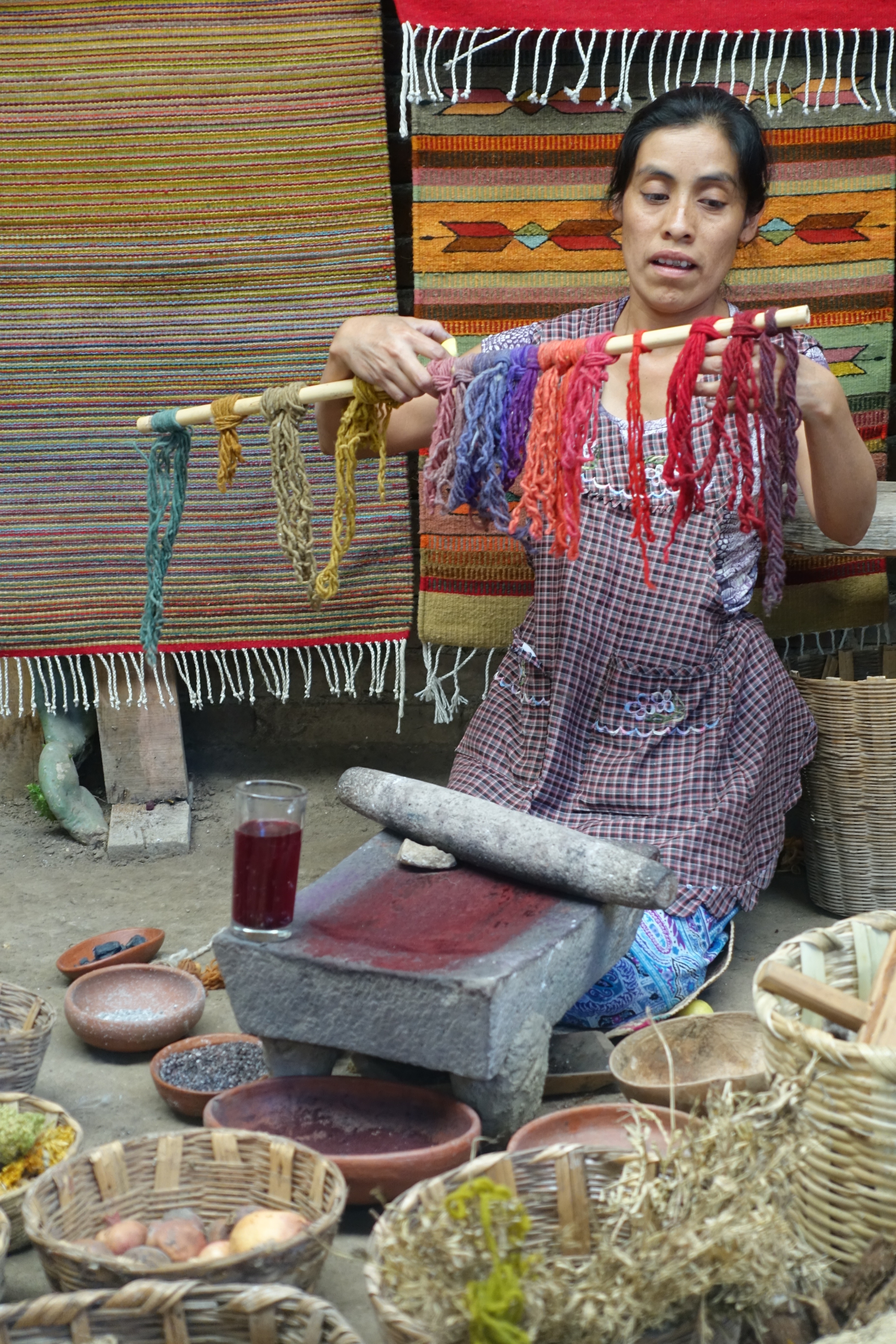
Here’s a rather odd poem for Gillena Cox’s prompt on Real Toads about sailing. This is about the cochineal beetle, a beetle native to the area around Oaxaca, Mexico, which is famous for the rich red dye made from the shell and body of the females. Soon after the conquest of Mexico by the Spanish, the beetle was imported into Europe by the ton and used as a red dye, particularly effective in fabrics made with animal rather than vegetable matter, i.e. wool over cotton, and the dye was used particularly for the rich red robes of cardinals and many Church officials. The beetle’s dye is still used today for rugs and many cosmetics and beverages. It is a strong red that can be modified based upon natural additives and preparation techniques. Above are pictures of the beetle whole and then crushed in somone’s hand and with a stone; it grows on the Nopale cactus, shown below.
(Poem supposed to be under 100 words–I think I’m a little above–cut some, but sorry Gillena!)

 ManicDDaily
Recent Comments