Blocking Writer’s Block – Ironing Out Problems With Confidence
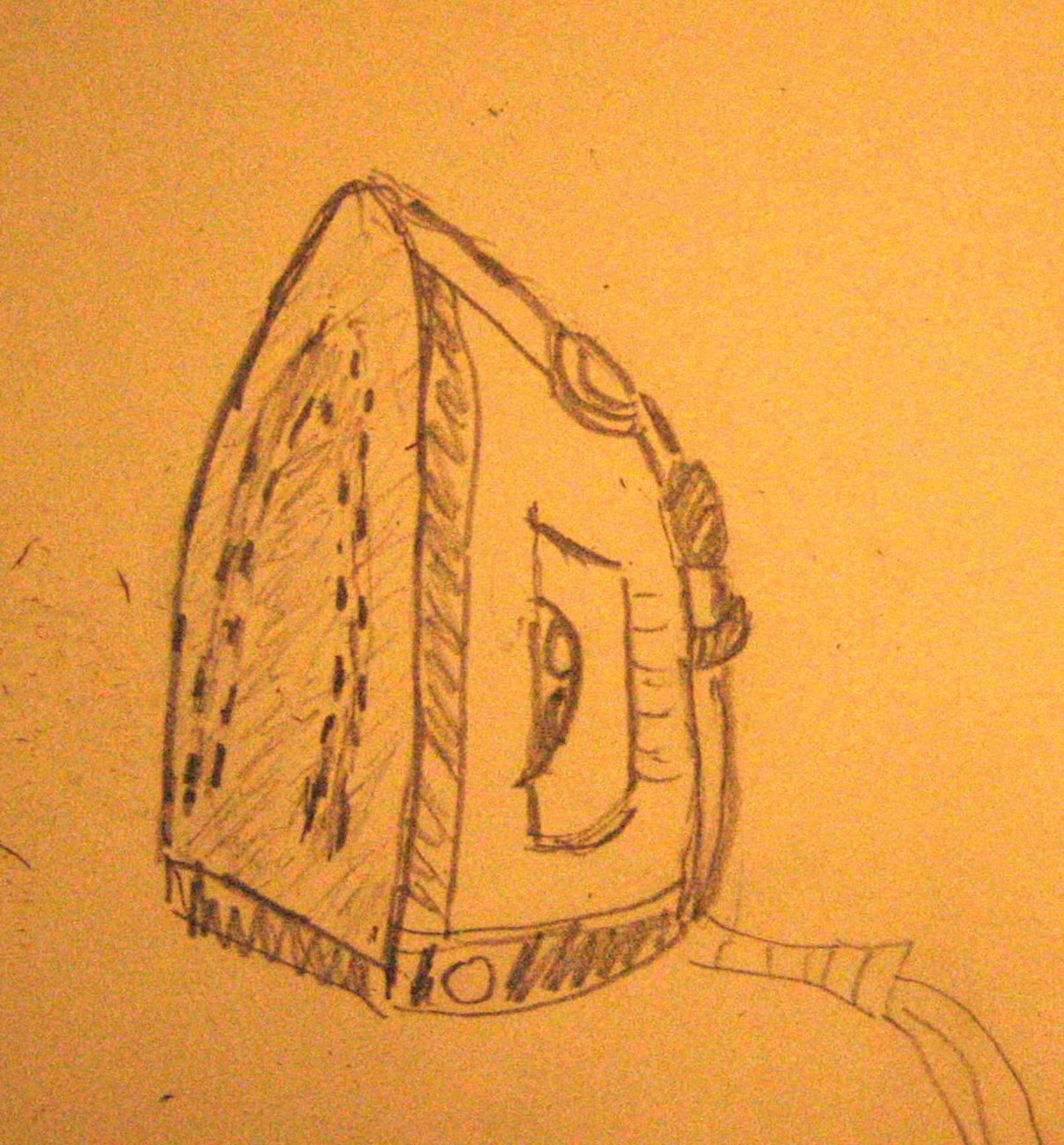
Iron
I walked back home from my subway stop this morning (a trek) thinking I’d left my iron on. I imagined my old, blinding, dog, Pearl, knocking it down (the iron was sitting on the floor in a far corner of one room of my apartment). I imagined terrible damage to Pearl, and then, in the ensuing conflagration, the destruction of all my worldly possessions .
Even as I hiked back to my apartment, getting later for work than ever, I knew this scenario was unlikely. First of all, I’ve left the iron on before and its heating element always turns off quite quickly automatically. Secondly, Pearl diligently spends just about all day in her “office”, that is, my closet, which is far far away from the nook where the iron sits.
When I let myself back into my apartment, I found the iron already unplugged, cool.
We tend to doubt ourselves. This doubt not only affects our lives, it also affects our writing, actually any artistic endeavor we may try.
Some people (often the young) believe that every thing they produce is terrific. They save every napkin doodle; they keep copies of every draft–bags and bags of them, whole old computers’ full. Often, however, as both rejection notices and non-writing responsibilities mount, we tend to lose confidence in whatever voice works its way through our fingers.
This self-doubt can lead to writer’s block, or at least, writer’s….lethargy. We tell ourselves that if we only had a contract, an editor, a salivating agent, we’d produce tons of stuff, but we don’t feel adequate authority to keep working on our own. What’s the use? How can we keep up our confidence if the only light at the end of the tunnel seems to be another blank page? ( Blank screen?)
Two tools jump to mind (other than the one I’m always citing which is, well, discipline.)
1. Knowledge. Knowledge is power here; luckily, knowledge can be acquired a lot easier than other kinds of power. By knowledge, I mean, knowledge of what’s out there in your field; knowledge too of human nature.
To get that knowledge, read. Read good writing; read “bad” writing. Read intellectual texts, if you like; don’t forget popular schlock. Broaden your sense of the types of expression that are considered “valid”; think of how you fit in, how much better you feel than some writers, how awed and humbled you feel by others, consider what you can learn from everyone.
In addition to reading different kinds of work, consider reading about the lives of writers and artists. Understand that your travails may be your strongest basis for a spiritual camaraderie.
2. Connection. Learning about the lives of other writers is part of developing a sense of connection. But it’s also useful to be in actual contact with actual living people. If you write poetry (or even if you write prose that you can read paragraphs of in a poetic manner), go to open mike readings. Make yourself read aloud. The other poets may not make you feel liked, and you may not like them; remember that you are not necessarily looking for friends, but a sense of validity. Make yourself go more than once. (Poets are a finicky, stand-offish, bunch; they may need to know you pretty well before they even smile.)
If there is no open mike in your area, consider a class. Or host a little writing session. Try an internet site where you can post work. In seeking a compatriot, an audience (even just an audience of one), look for a person who is also interested in writing. A non-writer is likely not to understand your problems with confidence and may, accidentally, make you feel worse than ever. A fellow writer will respond to your work with some measure of attention simply in the spirit of quid pro quo. (Take what you can get.)
Finally, even if the people with whom you try to connect don’t seem to like your work, don’t be discouraged. (The differences in peoples’ taste is a source of continual amazement. ) Check to see whether you like their work.
Remember through all of this that you did turn off that iron, or, at least, you did not burn down your apartment, or damage your dog. Translation: you do too do some things right.
For more on writer’s block, check out posts in that category from the ManicDDaily home page; for more on Pearl, check out posts re dog.
Explore posts in the same categories: Uncategorized, writer's block, writingTags: blocking writer's block, irons, loss of sense of authority in writing, manicddaily, pencil drawing, techniques for crisis of confidence in writing, tips for reading as writer, writer's block
You can comment below, or link to this permanent URL from your own site. ManicDDaily
I'd love to hear from you!